Why Bay Area Mums Need Postpartum and Pelvic Floor Therapy
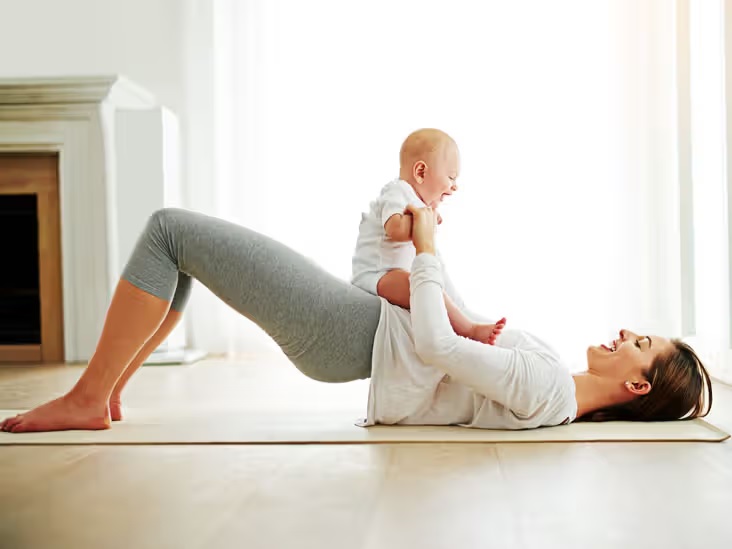
Welcoming a new baby is an enormous life event. For mums living near the coast, getting back to an active Australian lifestyle is often a major goal. Swimming, walking along the beach, and keeping up with little ones require physical strength. However, childbirth takes a massive toll on the body.
Many women experience ongoing discomfort or weakness in their core after delivery. Ignoring these signs can lead to long-term health issues. That is why professional support makes a massive difference to maternal wellbeing. Accessing Pelvic floor physical therapy and Postpartum physical therapy in The Bay Area provides local mothers with the targeted help they need to recover properly.
This type of therapy focuses on restoring strength to the muscles that support the bladder, bowel, and uterus. Pregnancy stretches these muscles heavily. Without proper rehabilitation, women might face issues like incontinence or pelvic organ prolapse down the line.
Understanding the Physical Impact of Childbirth
During pregnancy, your body changes rapidly to accommodate a growing baby. Your abdominal muscles stretch, and your pelvic floor bears extra weight for months. Pushing during a vaginal delivery or recovering from a caesarean section adds further trauma to these tissues.
Hormonal shifts also play a massive role in how your body feels postpartum. Relaxin, a hormone produced during pregnancy, loosens ligaments to prepare for birth. This hormone stays in your system for several months after delivery. Loose ligaments mean your joints are less stable, increasing the risk of injury if you do not support them with targeted muscle strengthening.
It takes time for these structures to heal. Rushing back into high-impact exercises like running or heavy lifting can cause further damage. A qualified physiotherapist will assess your individual situation. They create a safe, gradual plan to rebuild your core strength.
What to Expect from Treatment
Attending a session usually starts with a detailed discussion about your symptoms and birth experience. The therapist might conduct a physical assessment to check for muscle separation or weakness. From there, they prescribe specific exercises.
These are not standard sit-ups. Postpartum exercises are highly targeted. They teach you how to engage the correct muscles during daily activities, like lifting a pram or carrying groceries. You will learn breathing techniques that reduce pressure on your internal organs.
Your physiotherapist will also provide guidance on scar management. If you had a perineal tear or a C-section, the resulting scar tissue can cause tightness and pain. Gentle massage techniques and stretches help soften this tissue, improving mobility and reducing discomfort during everyday movements.
Long-Term Health Benefits
Investing time in rehabilitation prevents future complications. Many women think that leaking when they laugh or sneeze is normal after having children. While it is common, it is entirely treatable. You do not have to live with discomfort.
Strengthening your core also reduces back pain. A strong foundation improves your posture, which is vital when you spend hours feeding and rocking a newborn. Feeling physically capable improves your mental health, giving you the confidence to enjoy your day-to-day routine.
Taking the Next Step
Prioritising your own health is essential when you have a new baby. You cannot pour from an empty cup. Reach out to a local healthcare provider or your GP to discuss your options. Getting professional advice ensures you rebuild your strength safely and effectively.