How Singapore Fitness Classes Are Integrating Mobility Work Into High-Intensity Formats
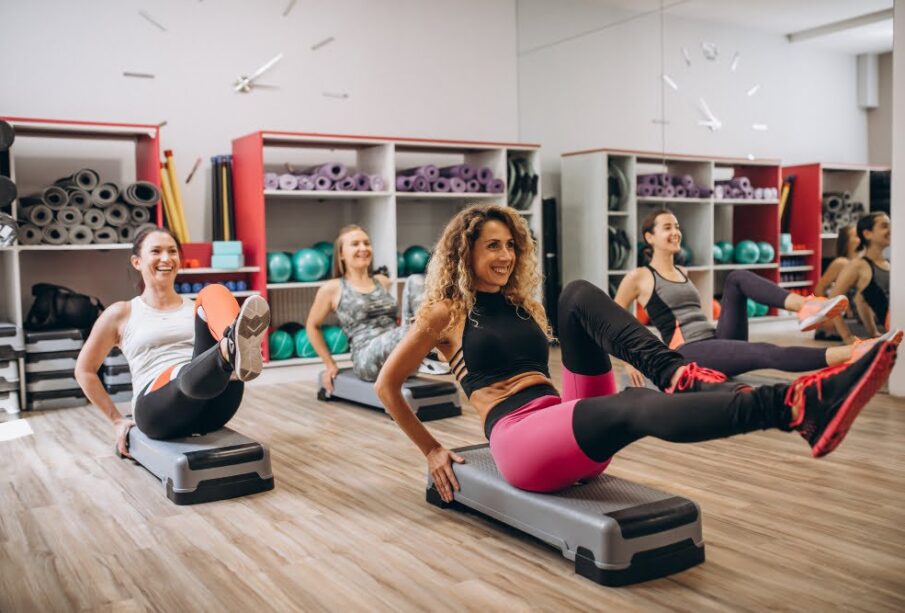
The historical separation between high-intensity training formats and mobility work in Singapore’s group fitness landscape has created a generation of gym members who are cardiovascularly fit and muscularly conditioned but progressively more restricted in their movement quality. Intensive training schedules built around high-intensity fitness classes singapore members attend regularly, with no structured mobility counterbalance, accumulate movement restrictions, compensatory patterns, and connective tissue stiffness that eventually limit training performance and elevate injury risk. Singapore’s most progressive group fitness programmers have identified this gap and are integrating deliberate mobility components into high-intensity class formats in ways that address it without sacrificing the cardiovascular and strength training stimulus that brings members to these classes.
Why High-Intensity Training Without Mobility Work Creates Problems
High-intensity training formats place significant and repeated demand on the same movement patterns and the same muscular systems. The repetitive loading of these patterns without adequate mobility maintenance progressively reduces the range of motion available for those same movements, creating a feedback loop where restricted mobility compromises movement quality under load, which increases joint stress, which further restricts mobility through protective guarding.
The Accumulated Restriction Pattern
A Singapore gym member who attends four high-intensity classes per week without structured mobility work will, over a period of months, develop characteristic restriction patterns associated with the dominant movements of their chosen formats. Indoor cycling enthusiasts develop hip flexor shortening and thoracic stiffness from the sustained forward-flexed position. HIIT class regulars develop hip flexor and calf restriction from repeated sprint and jump patterns. Barbell-based class participants develop thoracic and shoulder mobility restrictions from sustained loaded pressing volumes.
These restrictions are predictable, preventable, and reversible when addressed systematically. The challenge has been that conventional class programming has left mobility work entirely to individual initiative, which means it is performed inconsistently at best and ignored entirely at worst.
How Progressive Singapore Fitness Classes Are Integrating Mobility
The integration of mobility work into high-intensity class formats takes several distinct forms, each with different programming logic and participant experience implications.
Dynamic Mobility in Warm-Up Design
The most immediate integration point is the warm-up phase of high-intensity classes. Progressive Singapore fitness class programmers have shifted from generic cardio-based warm-ups toward dynamic mobility sequences that specifically prepare the joint ranges and movement patterns that the class will demand.
A HIIT class warm-up that includes hip flexor mobilisation through dynamic lunges with rotation, thoracic extension through quadruped movements, and ankle mobility preparation through controlled dorsiflexion work prepares the specific ranges of motion that the class demands while simultaneously addressing the restriction patterns that accumulated high-intensity training without mobility work produces.
Cool-Down Mobility Protocols
The cool-down phase following high-intensity work is physiologically optimal for sustained mobility work because elevated tissue temperature following exercise increases the viscoelastic extensibility of muscles and connective tissue, making this period more productive for range of motion improvement than pre-exercise stretching.
Singapore fitness classes that allocate eight to twelve minutes of structured cool-down mobility work to the movement patterns most stressed during the class take advantage of this thermal window to produce range of motion improvements that pre-exercise stretching cannot achieve.
Hybrid Class Formats
Some Singapore fitness providers have developed hybrid class formats that explicitly integrate strength, conditioning, and mobility work within a single session structure. These formats dedicate specific blocks of the session to mobility-focused movement quality work between conditioning intervals, using the lower intensity of mobility work as an active recovery between high-intensity blocks rather than treating rest and mobility as separate concerns.
True Fitness Singapore has incorporated mobility integration principles into its group fitness class design philosophy, ensuring that members who train consistently within its class timetable receive regular mobility stimulus alongside the high-intensity training that drives their cardiovascular and strength development. True Fitness Singapore provides programming that supports complete physical development rather than conditioning in isolation from movement quality.
FAQs
Q. – My Singapore fitness class schedule is full of high-intensity formats. Should I be attending separate mobility classes, or is the integrated mobility in these classes sufficient?
Ans. – For members attending four or more high-intensity classes per week, integrated mobility within those classes is likely insufficient as the sole mobility intervention. The mobility components of warm-up and cool-down in high-intensity classes address immediate session-specific needs but do not provide the volume of sustained mobility work that significant high-intensity training loads require to maintain range of motion. Adding one dedicated mobility or yoga class per week, or a regular self-directed mobility session of twenty to thirty minutes between high-intensity training days, provides the additional mobility volume that prevents the progressive restriction accumulation that high-frequency high-intensity training without adequate mobility counterbalance produces.
Q. – I have been attending HIIT classes four times per week for six months and am starting to experience knee discomfort during exercises I had no trouble with initially. Could reduced mobility be contributing?
Ans. – Yes, this is a very common presentation and mobility restriction is frequently a contributing factor. Hip flexor shortening and reduced hip flexion range of motion from repeated sprint and jump patterns alter knee mechanics during landing and pushing movements, increasing patellofemoral joint stress in ways that produce the anterior knee discomfort that many high-frequency HIIT class attendees develop. Hip mobility assessment and targeted hip flexor and quadricep mobility work, alongside temporary reduction in HIIT frequency, typically produces meaningful improvement in this presentation within four to six weeks.
Q. – Is dynamic stretching before a class actually better than static stretching, or is this a preference issue?
Ans. – This is not a preference issue. Research consistently shows that static stretching of significant duration immediately before high-intensity exercise reduces muscle force production capacity for thirty to sixty minutes following the stretch, which compromises performance during the class. Dynamic mobility work that moves joints through progressive ranges of motion while maintaining neural activation does not produce this performance reduction and additionally prepares the movement patterns the class will require. Dynamic mobility before class and static stretching during the cool-down reflects the evidence-based sequencing that most Singapore fitness class programmers are now applying.
Q. – How do I know whether a Singapore fitness class’s mobility integration is meaningful or simply cosmetic?
Ans. – Meaningful mobility integration in a Singapore fitness class can be assessed through three criteria. First, is the mobility work specific to the movement demands of the class rather than generic flexibility work that is not obviously connected to the class content? Second, does the instructor provide specific anatomical or movement quality rationale for each mobility component rather than simply leading the movement without explanation? Third, is the cool-down allocated sufficient time, at least eight to ten minutes, to allow sustained positions that produce range of motion benefit rather than brief token stretches before class ends? Classes that meet all three criteria are providing genuine mobility integration rather than a wellness performance.
Q. – Can I improve my mobility meaningfully by attending fitness classes with integrated mobility work, or do I need to do dedicated mobility practice separately?
Ans. – For members starting from a baseline of moderate mobility restriction, consistent attendance at fitness classes with well-integrated mobility components will produce meaningful range of motion improvements over a period of two to three months. For members with significant restriction patterns, particularly those associated with long sedentary working histories or previous injuries, the mobility volume available within integrated class formats is unlikely to be sufficient for substantial improvement without additional dedicated mobility practice. The class-integrated mobility maintains and modestly improves range of motion; dedicated mobility practice accelerates improvement from restricted baselines.