How Pediatric Imaging, ABA Therapy, And Audiology Support Early Intervention
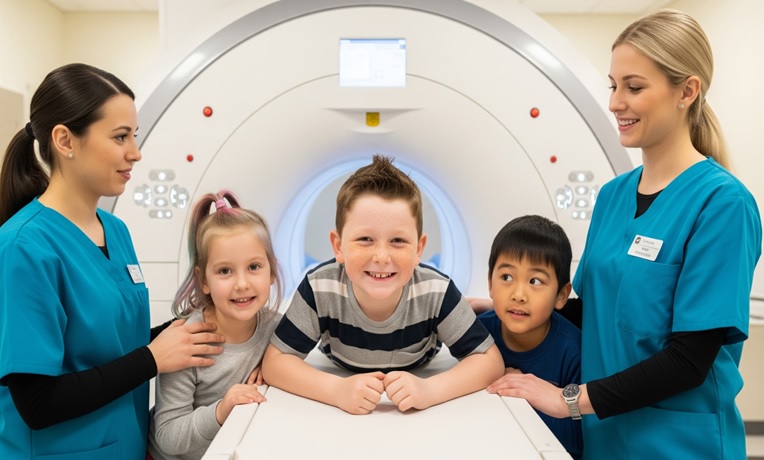
Early intervention is the proactive process of identifying and addressing developmental delays or disorders in children as early as possible. Since the early years are critical for brain development, timely support can greatly enhance a child’s cognitive, motor, language, and social abilities. The goal is to equip children with the tools they need to thrive, using tailored therapies, assessments, and family education. This multidisciplinary approach not only improves individual outcomes but also helps reduce long-term emotional and financial strain on families and communities. Early intervention benefits both the child and society by promoting healthier development and reducing the need for intensive services later.
The Role of Pediatric Imaging in Early Diagnosis
Pediatric imaging is essential for the early diagnosis of developmental disorders, offering detailed views of a child’s anatomy through techniques like MRI, CT scans, and ultrasounds. These non-invasive tools help detect abnormalities in the brain, organs, or tissues that may contribute to developmental delays. For example, MRI can reveal neurological issues affecting motor or cognitive function, while ultrasound provides insight into organ health. By enabling early and accurate diagnosis, pediatric imaging supports the development of targeted intervention plans, leading to more effective treatment and improved long-term outcomes for children.
Benefits of ABA Therapy for Early Intervention
Applied Behavior Analysis (ABA) therapy is a proven early intervention method, especially effective for children with autism spectrum disorders (ASD). It uses structured, individualized programs to enhance communication, social interaction, and adaptive learning. Central to ABA is positive reinforcement, which encourages desired behaviors by rewarding them, helping children build important skills, and motivating them. For many families, receiving ABA services in the home setting provides consistency and comfort, allowing children to practice skills in their everyday environment. ABA not only supports a child’s development but also equips families with practical strategies to manage behavior and create a nurturing, supportive home. Together, these elements contribute to meaningful and lasting improvements in a child’s daily functioning and overall quality of life.
Integrating Pediatric Imaging, ABA Therapy, and Audiology in Comprehensive Care
A comprehensive early intervention strategy combines pediatric imaging, ABA therapy, and audiology to address the complex needs of children with developmental delays. Pediatric imaging helps identify neurological or structural differences, providing critical diagnostic insights. ABA therapy focuses on behavior and skill-building, while audiology supports communication through early detection and treatment of hearing issues. When these specialties collaborate, they create a unified, personalized care plan that targets each child’s unique developmental challenges. This multidisciplinary approach not only improves outcomes but also ensures families receive consistent, well-coordinated support throughout the intervention process.
Choosing the Right Professionals for Early Intervention
Choosing the right professionals for early intervention is key to supporting your child’s growth and development. Prioritize certified experts in pediatric imaging, ABA therapy, and audiology who have experience with children facing similar challenges. Look for providers who emphasize collaboration and open communication, ensuring that all aspects of care are well-coordinated. Additionally, consider professionals who actively involve and educate families, offering tools and guidance to support your child at home. A knowledgeable, team-oriented, and family-centered approach can make a significant difference in your child’s progress.
How Audiology Supports Early Language and Communication Skills
Audiology plays a vital role in early intervention by supporting the development of language and communication skills during a child’s critical early years. Since hearing is essential for language acquisition, even mild hearing loss or auditory processing issues can significantly impact a child’s ability to learn and communicate. Early hearing assessments conducted by audiologists can identify these issues, allowing for timely interventions such as pediatric hearing aids, cochlear implants, or auditory training programs. Beyond diagnosis and treatment, audiologists also guide families in creating supportive, language-rich environments at home, ensuring children have the best opportunity to develop strong communication skills from the start.
Advances in Pediatric Imaging Technology
Recent advances in pediatric imaging have greatly improved the early detection and understanding of developmental disorders. High-resolution MRI and 3D imaging now offer clearer, more detailed views of a child’s anatomy, enabling more precise diagnoses. Functional imaging technologies like fMRI and MEG allow clinicians to observe real-time brain activity, shedding light on how children process information and where developmental delays may originate. These innovations are also safer and more child-friendly, often non-invasive and sedation-free. As a result, early intervention strategies can be more targeted and effective, leading to better outcomes for children.
Training and Certification in ABA Therapy
Training and certification in ABA therapy are critical to ensuring that professionals can effectively support children with developmental disorders. Certified ABA therapists undergo comprehensive education in behavioral science, ethics, and intervention strategies, along with supervised clinical experience. This rigorous preparation equips them to design and implement individualized, evidence-based treatment plans tailored to each child’s unique needs. Choosing a certified ABA provider gives families confidence in the quality and integrity of care, as certified professionals follow established ethical guidelines and commit to continuous learning to stay current with best practices.
Innovations in Audiology for Early Childhood
Innovations in audiology are transforming how children with hearing and communication challenges are supported. In Southern Maine, hearing device options have advanced significantly, with modern technologies like digital hearing aids and cochlear implants offering clearer sound and greater adaptability. These tools, combined with approaches like auditory-verbal therapy, help children develop spoken language by maximizing their residual hearing. Audiologists are also using more precise assessment methods and promoting family-centered care, guiding parents to actively support language development at home. Together, these advancements provide a stronger foundation for communication and long-term success.
Conclusion: The Future of Early Intervention
The future of early intervention is promising, with continued advancements in pediatric imaging, ABA therapy, and audiology paving the way for more effective and comprehensive care for children with developmental challenges. By integrating these disciplines and leveraging technological innovations, you can provide early and targeted interventions that address the unique needs of each child, ultimately improving their developmental outcomes.
As research and technology continue to evolve, the potential for early intervention to transform the lives of children and families grows. Early detection of developmental issues, combined with tailored interventions, can significantly improve a child’s quality of life and empower families to support their child’s growth and development.