Early Dental Habits That Protect Teeth For Life
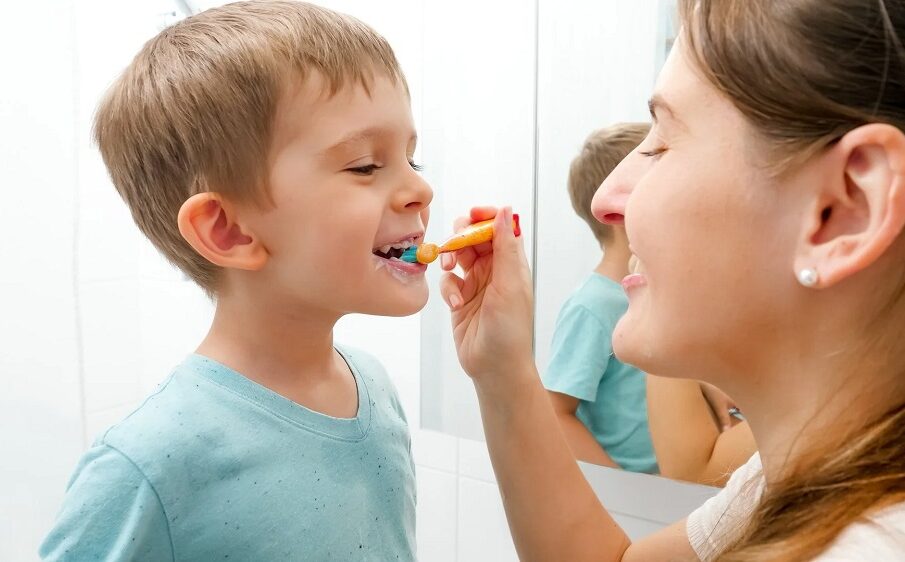
Healthy teeth are not built overnight. They develop through consistent habits that begin early in childhood and continue throughout life. The routines children learn in their early years shape their oral health, confidence, and overall well-being long into adulthood.
Establishing simple preventive practices early helps reduce cavities, strengthen enamel, support jaw development, and lower the risk of gum disease later in life. With the right guidance and daily consistency, strong dental health becomes a lifelong advantage rather than a constant concern.
Why Early Dental Habits Matter
Baby teeth play a much bigger role than many people realize. They help children chew properly, speak clearly, and create space for permanent teeth. Poor care during these early stages can lead to infections, misalignment, and long-term dental complications.
Early habits also shape behavior. When children grow up treating oral care as a normal daily routine, they are far more likely to maintain healthy practices as adults.
Start Brushing As Soon As Teeth Appear
Dental care should begin when the first tooth erupts. Cleaning early removes bacteria and introduces children to a routine that becomes second nature over time.
Effective brushing habits include
- Using a soft-bristled toothbrush designed for children
- Brushing twice daily for two minutes
- Using a small amount of fluoride toothpaste appropriate for age
- Supervising brushing until proper technique is developed
Consistency is more important than perfection. Daily repetition builds lifelong discipline.
Make Flossing A Daily Practice Early
Flossing removes plaque between teeth where brushes cannot reach. Starting this habit early helps prevent cavities in tight spaces and supports healthy gums.
Parents should begin flossing their child’s teeth once two teeth start touching. Over time, children can gradually learn to do it independently with guidance.
Benefits of early flossing include
- Reduced risk of gum inflammation
- Prevention of hidden cavities
- Stronger gum support for developing teeth
- Better long-term oral hygiene habits
Limit Sugary Snacks And Drinks
Frequent exposure to sugar is one of the leading causes of tooth decay in children. Sugary foods feed harmful bacteria that produce acids damaging tooth enamel.
Healthier alternatives include
- Fresh fruits instead of sticky sweets
- Water instead of sweetened beverages
- Milk instead of flavored drinks
- Nuts and cheese as balanced snack options
Timing matters as much as quantity. Limiting sugary snacks between meals helps protect enamel from repeated acid exposure.
Encourage Drinking Water After Meals
Water helps rinse away food particles and neutralize acids in the mouth. Teaching children to drink water after eating supports natural cleaning and strengthens enamel, especially when fluoride is present in the local water supply.
This simple habit improves oral hygiene without requiring extra effort.
Schedule Regular Dental Visits Early
Dental visits should begin around the child’s first birthday or within six months after the first tooth appears. Early visits help detect potential concerns before they become serious problems.
Routine checkups support
- Monitoring jaw and tooth development
- Preventing cavities through professional cleaning
- Building comfort with dental environments
- Identifying alignment issues early
Children who visit dentists regularly are less likely to develop dental anxiety later in life.
Teach Proper Brushing Technique
Brushing regularly is helpful, but brushing correctly makes the real difference. Children should learn gentle circular motions that clean all surfaces of the teeth and along the gumline.
Parents can make brushing more effective by
- Demonstrating proper technique
- Brushing alongside children
- Using timers or songs for motivation
- Encouraging independence gradually
Good technique protects enamel while ensuring thorough cleaning.
Avoid Prolonged Bottle Feeding And Thumb Sucking
Extended bottle feeding, especially at bedtime, increases exposure to sugars that lead to decay. Thumb sucking beyond early childhood may also affect tooth alignment and jaw structure.
Healthy alternatives include
- Transitioning to cups at the appropriate age
- Offering water instead of milk before sleep
- Encouraging comfort routines that replace thumb sucking
Early intervention prevents orthodontic complications later.
Make Dental Care A Positive Experience
Children respond strongly to emotional cues from caregivers. When dental routines feel supportive and encouraging, children adopt them more willingly.
Helpful strategies include
- Using positive language about dental visits
- Rewarding consistency rather than perfection
- Creating fun brushing routines
- Setting family hygiene examples
Confidence around dental care supports lifelong commitment to oral health.
Choose Tooth-Friendly Nutrition For Strong Enamel
Balanced nutrition strengthens teeth from within. Minerals such as calcium and phosphorus play essential roles in enamel development and maintenance.
Tooth-supporting foods include
- Dairy products like milk and yogurt
- Leafy green vegetables
- Eggs and lean proteins
- Whole grains
- Nuts and seeds
Healthy diets reinforce daily hygiene practices and reduce decay risks.
Build Consistency Through Daily Routine
The strongest dental protection comes from regular habits repeated every day. Children thrive when oral hygiene becomes a predictable part of morning and bedtime routines.
Consistency helps
- Reduce plaque buildup
- Strengthen enamel over time
- Prevent gum disease
- Support confidence in self-care habits
Simple routines practiced early often remain unchanged for life.
Frequently Asked Questions
At what age should children start using fluoride toothpaste
Children can begin using a small smear of fluoride toothpaste once their first tooth appears. A pea-sized amount is typically recommended after age three under supervision.
How often should children replace their toothbrush
Toothbrushes should usually be replaced every three months or sooner if bristles become worn or damaged.
Are electric toothbrushes safe for children
Electric toothbrushes designed for children can be safe and effective when used correctly and under supervision.
What causes cavities in young children most often
Frequent exposure to sugary snacks, poor brushing habits, and bedtime milk without cleaning teeth are common causes.
How can parents tell if their child is brushing properly
Parents should observe brushing routines, check for plaque along the gumline, and ensure children brush for at least two minutes twice daily.
Does mouth breathing affect dental health
Chronic mouth breathing may increase the risk of dry mouth, gum irritation, and alignment concerns if left unmanaged.
When should children start brushing on their own without supervision
Most children develop the coordination needed for independent brushing between ages six and eight, though occasional supervision remains helpful afterward.