Beyond the Mat: How Group Yoga Classes Foster Mental Wellness and Social Belonging in Singapore
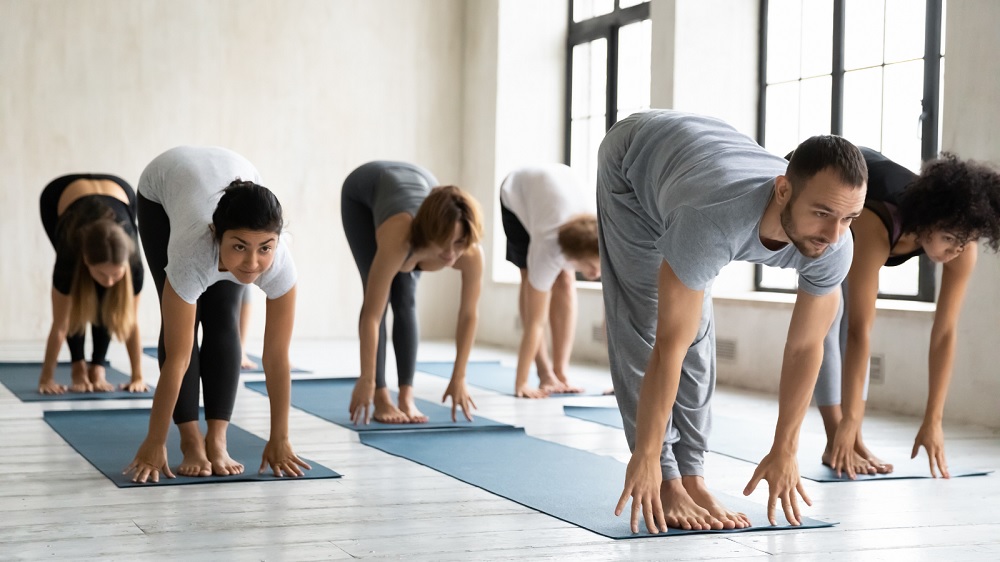
In today’s high-pressure environment, Singaporeans are no strangers to stress. From meeting demanding deadlines to navigating the fast-paced urban lifestyle, many people in the city are looking for more than just physical fitness—they crave emotional resilience and social connection. That’s where yoga classes step in as more than just a form of exercise.
Yoga has long been associated with flexibility, balance, and strength. But in recent years, there’s been a growing recognition of its impact on mental wellness. Group yoga, in particular, combines the personal journey of mindfulness with the community element of shared growth—offering Singapore residents a powerful antidote to isolation, anxiety, and emotional burnout.
As studios across the island adapt to evolving wellness needs, platforms like Yoga Edition have emerged to support individuals seeking meaningful transformation—both within and beyond the mat.
The Emotional Benefits of Yoga: More Than Stretching
While the physical benefits of yoga are well-documented, its emotional impact is equally profound. The practice helps reduce cortisol (the stress hormone), regulates breathing patterns, and promotes a parasympathetic nervous system response—essentially calming the mind and body. For Singaporeans juggling long work hours, digital distractions, and social expectations, yoga offers a rare chance to reset.
Yoga classes nurture mental wellbeing through:
- Mindful movement: Poses are synced with breathing, encouraging practitioners to be present in the moment.
- Meditative states: Even dynamic yoga classes end with a meditative cool-down or Savasana, helping the mind settle.
- Self-awareness: Regular practice heightens emotional regulation and self-compassion.
These effects, while personal, are magnified in a group setting where shared energy and mutual encouragement cultivate a sense of safety and support.
The Hidden Loneliness Epidemic in Urban Singapore
Despite its dense population and vibrant social scene, Singapore is facing an increasing rate of social isolation, especially among young professionals and seniors. In a 2023 mental health survey by a local agency, nearly 1 in 3 working adults reported feelings of loneliness. This paradox of being “alone together” stems from a hyper-connected digital world but a lack of meaningful, face-to-face community.
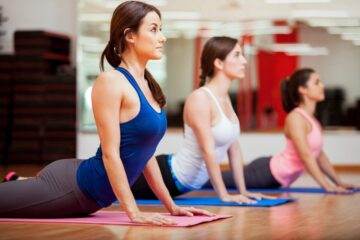
Group yoga classes offer a refreshing solution by creating real-life touchpoints for connection. Unlike traditional gyms or fitness classes where interaction is minimal, yoga emphasises collective intention and non-competitive energy. Over time, practitioners not only feel better physically but also emotionally supported.
How Group Yoga Builds a Sense of Belonging
Singapore’s yoga studios often become safe spaces where like-minded individuals gather. Here’s how regular group yoga fosters true belonging:
1. Shared Intentions and Rituals
Most yoga classes begin with a centring moment or intention-setting. Doing this as a group builds energetic synchronicity, giving practitioners a shared emotional focus. It fosters a subtle bond even among strangers.
2. Non-Judgemental Environment
Yoga spaces are famously inclusive. Regardless of age, size, race, or skill level, everyone practices side by side. This non-judgemental environment nurtures authenticity and emotional openness, unlike many hyper-competitive fitness spaces.
3. Consistent Faces, Familiar Energy
Attending regular classes means seeing familiar faces, creating the opportunity for casual conversation before and after class. Over time, this evolves into friendship and mutual encouragement—especially among long-term members.
4. Group Breathwork and Movement
Moving and breathing in sync is scientifically proven to improve interpersonal connection and cooperation. Group yoga mimics this phenomenon, helping build trust, cohesion, and group harmony.
The Role of Instructors in Community Building
An often-overlooked aspect of yoga classes is the instructor’s role not just as a teacher, but as a community facilitator. In Singapore, where individualism is often emphasised in the workplace, instructors become a grounding force for emotional connection and support.
Skilled yoga teachers:
- Create safe spaces for vulnerability
- Encourage dialogue and after-class sharing
- Celebrate individual milestones (like touching your toes or conquering a headstand)
- Check in with students’ emotional states before class
Their presence fosters consistency and trust—two ingredients vital to mental wellbeing.
Popular Class Types in Singapore for Social & Emotional Connection
Some yoga styles naturally encourage more interpersonal bonding than others. Here are a few class types popular among Singaporeans seeking mental wellness and connection:
- Yin Yoga: Quiet, meditative and deeply introspective—great for emotional release in a calm group setting.
- Gentle Flow or Community Yoga: Often beginner-friendly and conversational, these classes allow interaction while still focusing on movement.
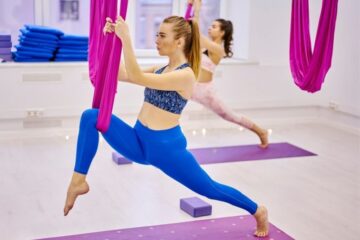
- Partner Yoga or Acro Yoga: Involves working with another person, building trust, communication, and physical synchrony.
- Themed Yoga Circles or Women’s Circles: Some studios offer sessions based on intention-setting or life transitions, encouraging sharing in a small group.
The best part? You don’t need to be extroverted to benefit. Even quiet participation in a shared practice creates a sense of inclusion.
Stories from the Mat: Real Experiences in Singapore
Many practitioners in Singapore have shared stories of how yoga classes helped them through tough times. For example:
- A 42-year-old marketing executive discovered yoga during a burnout phase and found peace in the weekly rhythm of group sessions.
- A university student struggling with anxiety began attending community yoga and found both emotional clarity and a group of close friends.
- A retiree joined a local Yin Yoga class to improve mobility, but ended up reconnecting socially after years of isolation.
These stories reflect the multi-dimensional benefits of yoga—it’s not just about movement, but about healing in all its forms.
Integrating Group Yoga into Your Mental Wellness Routine
Mental wellness isn’t achieved in a single class. Like any meaningful habit, it requires consistency. Here’s how to make the most of yoga for emotional and social wellbeing:
- Choose a studio near your home or office to reduce friction and increase consistency.
- Commit to a regular time slot, so it becomes a predictable part of your weekly rhythm.
- Say hello to your instructor and fellow classmates—a small gesture can lead to strong bonds.
- Join a special workshop or yoga retreat to deepen your connection with the community.
Whether you’re introverted or outgoing, group yoga meets you where you are, helping you build both inner peace and outer connection.
FAQ: Yoga Classes for Mental Wellness & Connection in Singapore
Can I benefit from group yoga even if I’m shy or introverted?
Absolutely. Yoga classes are not about socialising loudly; even silent participation in a group builds a feeling of connection. Many shy individuals find comfort in the shared energy without needing to speak.
How often should I attend yoga classes to notice emotional benefits?
Most people begin to notice emotional and mental shifts after 4–6 weeks of regular practice (2–3 times per week). Consistency matters more than intensity.
Do I need to be flexible to join a class focused on emotional health?
Not at all. Emotional benefits do not require physical flexibility. Simply being present and mindful during class is enough.
Are there yoga classes in Singapore specifically for stress and burnout?
Yes. Studios often offer Yin Yoga, Restorative Yoga, or even themed classes for emotional healing. Some also provide guided meditation at the end of the session.
Will joining a yoga class help me make friends?
It can! While not guaranteed, attending the same class regularly allows you to see familiar faces and naturally bond over shared experience. Studios often host events or workshops that encourage deeper connections.