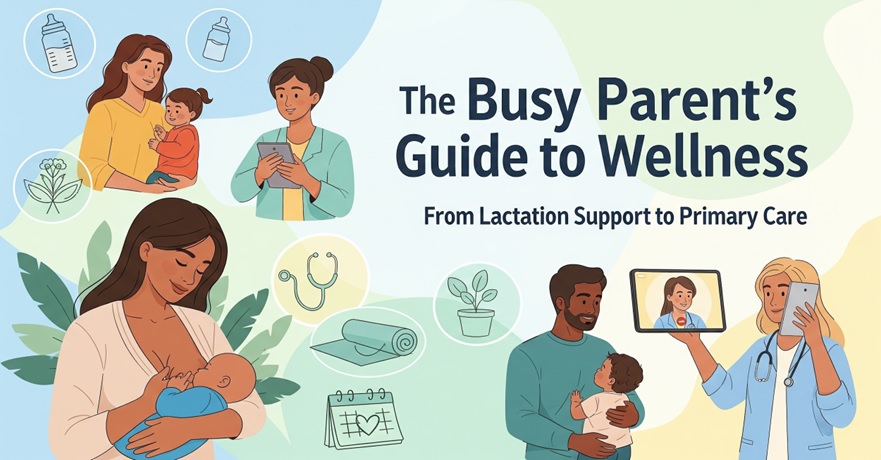
The Busy Parent’s Guide to Wellness: From Lactation Support to Primary Care
Modern Parenthood and the Wellness Balancing Act
Parenthood in the modern world is a beautiful contradiction—it’s both deeply fulfilling and profoundly demanding. Between managing work, childcare, and household responsibilities, many parents find their own health quietly slipping to the bottom of the list. Postpartum recovery, stress management, and preventive care can easily take a back seat when every day feels like a marathon.
Yet, sustainable family wellness begins with parental well-being. When parents are supported—physically, emotionally, and logistically—their families thrive. Today’s healthcare landscape offers a variety of services to make that possible, including lactation programs for working mothers, family medicine that integrates preventive care, and mental health resources tailored to the demands of parenting. Together, these form a holistic framework that empowers parents to stay healthy and connected through all stages of family life.
The Foundation of Postpartum Care
The postpartum period is one of the most transformative—and vulnerable—stages of life. Physically, a mother’s body is still healing from pregnancy and delivery. Emotionally, hormones fluctuate dramatically, and sleep deprivation can intensify feelings of stress or anxiety. Without structured support, it’s easy for these challenges to compound into burnout or depression.
Access to reliable postpartum healthcare ensures that these changes are managed with empathy and medical precision. Primary care physicians and family doctors play a critical role here, ensuring mothers receive follow-up care that goes beyond a single postpartum checkup. Regular assessments for blood pressure, thyroid levels, and mental health can catch potential complications early.
Equally important, many primary care clinics offer care for the entire family under one roof—so mothers, infants, and even partners can have their needs addressed in one place. Practices like Grand Forks Clinic, which provide family medicine and preventive care, exemplify how integrated services simplify life for busy households. When care is accessible and comprehensive, recovery doesn’t feel like a chore—it becomes part of everyday wellness.
Lactation Support: The Bridge Between Health and Work
For working mothers, breastfeeding presents both rewards and challenges. The benefits—optimal nutrition, immune support, and bonding—are clear, but maintaining lactation after returning to work requires intentional support. Without it, mothers may face physical strain, reduced milk supply, or pressure to wean early.
Corporate Lactation Services has redefined this aspect of postpartum care by helping employers establish workplace lactation programs that prioritize comfort, privacy, and accessibility. From designing dedicated lactation rooms to offering virtual consultations, these programs make breastfeeding feasible for mothers who might otherwise give up due to logistical barriers.
Such support doesn’t just help mothers—it benefits organizations as well. Studies consistently show that employees who feel supported during their return to work have lower absenteeism rates, higher retention, and better morale. A simple investment in lactation infrastructure and education reflects a deeper commitment to a family-friendly culture, ensuring that mothers can nurture their children without sacrificing professional growth.
The Role of Primary Care in Family Wellness
Primary care acts as the compass of family health—guiding prevention, identifying risk factors, and coordinating long-term care. For busy parents, having a trusted provider simplifies health management for both adults and children.
A family doctor provides continuity, seeing the big picture rather than treating issues in isolation. They monitor everything from infant vaccinations and developmental milestones to parental blood pressure, cholesterol, and sleep patterns. Over time, this relationship builds a complete health history that informs smarter, more proactive decisions.
Clinics that offer comprehensive primary care make these services more accessible. Their team integrates mental health support into family medicine, acknowledging that physical and emotional health are inseparable. For parents juggling multiple roles, this holistic approach means they can address anxiety, exhaustion, or relationship stress without having to visit multiple offices or explain their story repeatedly.
Preventive care becomes less about reacting to illness and more about maintaining balance—catching small issues before they become crises and promoting wellness habits that fit into a family’s real-life routine.
Mental Health: The Hidden Backbone of Parental Wellness
Parenting often requires immense emotional energy. Between work deadlines, nighttime feedings, and the constant responsibility of caregiving, many parents quietly carry stress that accumulates over time. When ignored, it can manifest as irritability, fatigue, or even physical symptoms like headaches and sleep problems.
Mental health care is not a luxury—it’s an essential part of family wellness. Access to therapy, counseling, or group support allows parents to process emotions, strengthen coping skills, and build healthier communication patterns within the household. According to Blue Stone Health & Wellness, professional counseling can help individuals manage anxiety, grief, and life stressors more effectively—empowering them to regain balance and resilience in daily life. Clinics that integrate mental health into primary care settings remove the stigma and make support more approachable.
This approach benefits not only parents but also children, who learn emotional regulation through modeled behavior. Blue Stone Health & Wellness (https://www.bluestonehw.com/) emphasizes that addressing mental health early promotes stronger family connections and healthier long-term outcomes. A parent who feels emotionally balanced is better able to nurture, guide, and connect with their family.
Coordinating Care for the Whole Family
One of the biggest barriers for working parents is time. Between pediatric visits, follow-ups for chronic conditions, and mental health appointments, managing multiple providers can be overwhelming. Integrated care models help bridge this gap by bringing different specialties under one coordinated system.
In this model, communication between providers ensures that every family member’s needs are addressed cohesively. For example, a mother receiving lactation guidance can have her overall nutrition and stress management discussed at her primary care visit. Meanwhile, the same clinic might coordinate developmental checkups for her infant or preventive screenings for her partner.
This synchronization not only reduces scheduling conflicts but also enhances the quality of care. Every provider has access to a shared health narrative—ensuring decisions are informed, consistent, and family-centered.
Preventive Care: Building Health Before It’s Lost
Preventive care is the cornerstone of lasting wellness, especially for busy families. The demands of parenting often leave little time for self-care, leading many adults to delay checkups or ignore symptoms until they interfere with daily life. However, prevention is far more efficient—and compassionate—than crisis response.
Annual physicals, vaccinations, and screenings for cholesterol, diabetes, or mental health all serve as early warning systems. For mothers, postpartum hormone evaluations or mental health assessments can detect imbalances before they escalate. For children, regular pediatric visits ensure growth and development stay on track.
Clinics like Grand Forks Clinic emphasize the importance of preventive medicine by offering family-oriented checkups that accommodate busy schedules. These visits not only monitor physical health but also provide education on nutrition, exercise, and stress reduction—all essential components of a resilient family unit.
Supporting Working Parents Through Accessible Healthcare
Work-life integration isn’t just about flexible hours—it’s about making healthcare equally flexible. Telehealth appointments, workplace wellness initiatives, and after-hours family medicine visits help parents receive care without disrupting their responsibilities.
Employers who partner with providers offering on-site wellness workshops or tele-lactation consultations can ease the burden of scheduling for new mothers. Similarly, families benefit when primary care and mental health professionals coordinate seamlessly—allowing one appointment to address multiple concerns.
By meeting parents where they are—both figuratively and literally—healthcare systems create an environment where wellness is achievable, not aspirational.
The Ripple Effect of Parental Health
Healthy parents create healthy households. When parents are physically well, emotionally grounded, and supported at work, the effects extend to their children. Routines stabilize, stress levels decrease, and family relationships flourish.
Moreover, when healthcare is integrated—linking lactation, primary care, and mental health—families develop trust in the system that supports them. They’re more likely to stay engaged, attend checkups, and seek early help when challenges arise. Over time, this proactive mindset builds resilience, ensuring the next generation grows up seeing health not as a reaction to illness but as a way of life.
Conclusion: The Power of Connected Care
Parenting will always demand sacrifice, but health shouldn’t be one of them. Through accessible workplace lactation programs, compassionate primary care, and integrated mental health support, modern families can thrive even in the busiest seasons of life.
The key lies in connection—between providers, between parents and their care teams, and within families themselves. When healthcare moves beyond isolated appointments and becomes a network of support, wellness stops feeling like another task and becomes a natural rhythm of everyday living.
In this way, the journey of raising a family mirrors the journey to health: both require patience, community, and a willingness to nurture what matters most.