Yoga Exercises That Support Heart Health Naturally
Maintaining heart health requires consistent movement, stress management, and proper breathing habits. Yoga supports all three. Unlike intense workouts that focus mainly on physical exertion, yoga strengthens the cardiovascular system through controlled movement, improved circulation, nervous system balance, and mindful breathing.
Regular practice of simple yoga exercises can help regulate blood pressure, improve circulation, reduce stress hormones, and support overall heart function. These beginner-friendly poses are safe, effective, and suitable for most people when practiced correctly.
How Yoga Supports Cardiovascular Health
Yoga benefits the heart through multiple physiological mechanisms. It combines movement, breath awareness, and relaxation in ways that directly influence circulation and stress levels.
Key heart-supporting benefits include
- Improved blood circulation throughout the body
- Reduction in stress-related hormones
- Support for healthy blood pressure levels
- Strengthening of respiratory efficiency
- Better oxygen delivery to tissues
- Improved emotional balance
Practicing even short sessions regularly can make a meaningful difference over time.
Mountain Pose
Mountain Pose improves posture and breathing efficiency, which supports heart function by allowing the lungs and diaphragm to expand fully.
How to practice
- Stand upright with feet together or hip width apart
- Relax shoulders downward
- Keep spine tall and balanced
- Engage abdominal muscles gently
- Breathe slowly and deeply
This pose creates awareness of alignment and promotes steady breathing patterns that support circulation.
Cat Cow Pose
Cat Cow Pose encourages spinal flexibility and improves blood flow through the chest and upper body.
How to practice
- Begin in a tabletop position
- Inhale while lifting the chest and hips
- Exhale while rounding the spine gently
- Continue the movement slowly with breath
This rhythmic motion improves circulation and reduces tension around the heart and lungs.
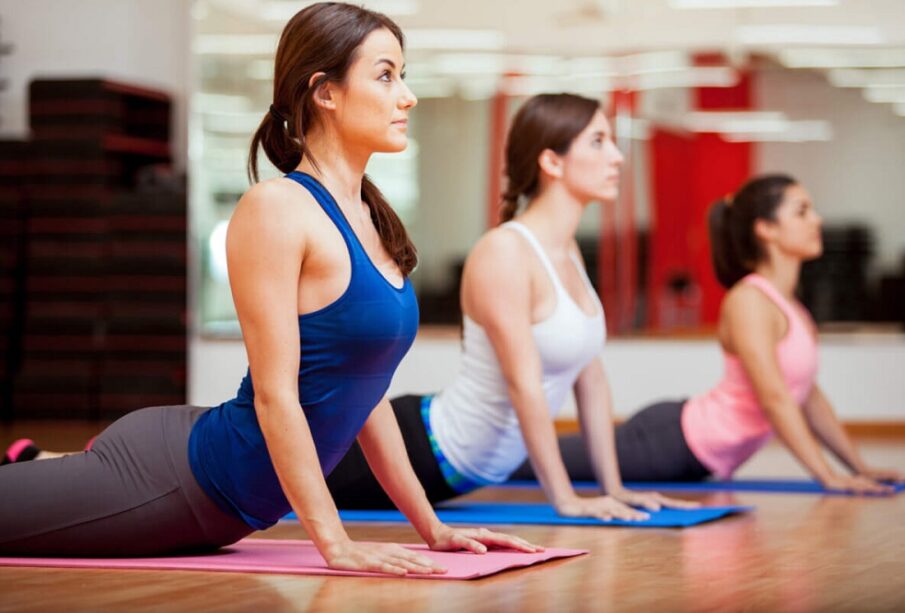
Cobra Pose
Cobra Pose opens the chest area and supports lung expansion, allowing the heart to function more efficiently.
How to practice
- Lie face down on the mat
- Place palms beneath shoulders
- Lift chest gently upward
- Keep elbows slightly bent
- Hold for several breaths
This pose strengthens back muscles while improving breathing capacity.
Bridge Pose
Bridge Pose improves circulation and stimulates the chest region, which supports cardiovascular activity.
How to practice
- Lie on your back with knees bent
- Keep feet hip width apart
- Press feet firmly into the floor
- Lift hips upward slowly
- Hold the position comfortably
This pose also strengthens the lower body and supports spinal stability.
Seated Forward Bend
Seated Forward Bend helps calm the nervous system and reduce stress levels, which directly benefits heart health.
How to practice
- Sit with legs extended forward
- Lengthen the spine upward
- Fold forward gently from hips
- Rest hands comfortably
This pose encourages relaxation and improves circulation to abdominal organs.
Legs Up the Wall Pose
Legs Up the Wall Pose improves blood flow toward the heart and supports relaxation of the nervous system.
How to practice
- Sit close to a wall
- Swing legs upward against the wall
- Rest arms comfortably beside the body
- Relax shoulders and breathe slowly
This gentle inversion supports circulation without strain.
Corpse Pose
Corpse Pose is essential for reducing stress and stabilizing heart rate after movement.
How to practice
- Lie flat on your back
- Relax arms and legs comfortably
- Close eyes gently
- Focus on slow breathing
Deep relaxation improves heart rhythm stability and supports recovery.
Breathing Techniques That Support Heart Function
Breathing exercises enhance the cardiovascular benefits of yoga practice.
Helpful breathing methods include
- Slow abdominal breathing for calming the nervous system
- Equal length inhale and exhale breathing for rhythm balance
- Gentle extended exhalation breathing to support relaxation response
These techniques help reduce tension and promote steady circulation.
Lifestyle Tips to Enhance the Heart Benefits of Yoga
Yoga works best when combined with supportive daily habits.
Simple practices that strengthen heart health include
- Practicing yoga consistently three to five times weekly
- Staying physically active throughout the day
- Drinking enough water
- Sleeping adequately each night
- Managing stress through mindful breathing
Consistency matters more than intensity when supporting cardiovascular wellness naturally.
FAQ Section
Can yoga help lower resting heart rate over time
Regular yoga practice may help reduce resting heart rate by improving nervous system balance and cardiovascular efficiency.
Is gentle yoga safe for older adults with heart concerns
Gentle yoga is often suitable when practiced slowly and under guidance from a qualified professional if medical conditions exist.
What time of day is best for heart supportive yoga practice
Morning practice supports circulation and energy levels while evening sessions help reduce stress before sleep.
Can breathing exercises alone improve heart health
Breathing exercises improve oxygen delivery and stress control but work best when combined with physical yoga movement.
How long should a heart supportive yoga session last
A session lasting 20 to 30 minutes is sufficient to support circulation and relaxation benefits.
Does yoga improve blood circulation immediately
Certain poses improve circulation during practice, while long term benefits develop through regular sessions.
Can beginners safely practice these poses daily
Yes beginners can practice these gentle exercises daily if movements are performed slowly and comfortably.