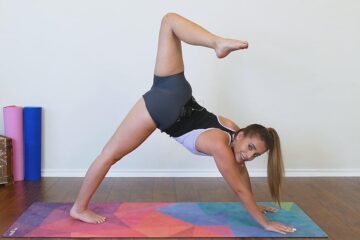
Exercise: A Complete Guide to Staying Active and Healthy
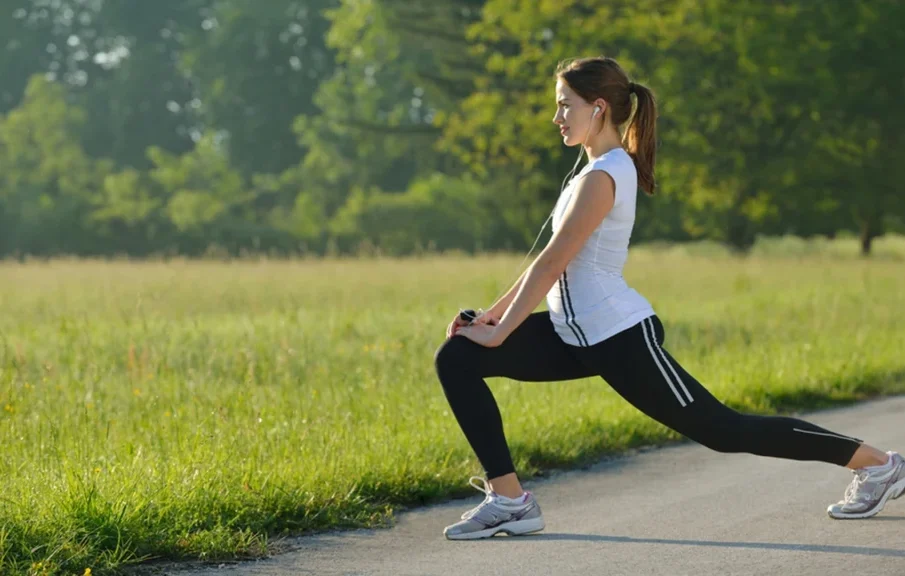
Exercise is one of the most reliable ways to improve overall health, boost energy levels, and enhance mental clarity. A consistent physical activity routine supports the body’s natural systems and helps prevent many lifestyle-related conditions. Whether performed at home, outdoors, or in a gym, exercise strengthens both body and mind when practiced regularly.
Developing a sustainable exercise habit does not require complicated equipment or extreme routines. Even moderate daily activity can create noticeable improvements in strength, endurance, and emotional well-being.
What Is Exercise
Exercise refers to planned physical activity that improves or maintains physical fitness and overall health. It involves movements that increase heart rate, activate muscles, and enhance flexibility or coordination.
Common goals of exercise include
- Improving cardiovascular health
- Increasing muscle strength
- Enhancing flexibility
- Managing body weight
- Reducing stress
- Supporting better sleep
Regular movement also improves concentration and supports long-term independence as people age.
Types of Exercise
A balanced fitness routine usually combines several types of exercise. Each type supports a different aspect of health.
Aerobic Exercise
Aerobic activity increases heart rate and improves lung capacity. It supports circulation and endurance.
Examples include
- Walking
- Running
- Cycling
- Swimming
- Dancing
Performing aerobic exercise regularly helps maintain heart health and improves stamina.
Strength Training
Strength training builds muscle mass and supports bone density. It also improves posture and metabolism.
Examples include
- Bodyweight exercises such as push-ups and squats
- Resistance band training
- Weightlifting
Even two sessions per week can create noticeable improvements.
Flexibility Exercises
Flexibility training improves joint movement and reduces the risk of injury.
Examples include
- Stretching routines
- Yoga
- Mobility drills
Flexible muscles support smoother movement and better posture.
Balance Exercises
Balance-focused activities improve coordination and stability. They are especially beneficial for older adults but useful for all age groups.
Examples include
- Standing on one leg
- Heel-to-toe walking
- Stability exercises
Improved balance reduces the likelihood of falls and enhances body control.
Benefits of Regular Exercise
Consistent physical activity supports nearly every system in the body.
Physical Health Benefits
Exercise helps
- Strengthen the heart and lungs
- Improve blood circulation
- Maintain healthy body weight
- Increase muscle strength
- Support bone health
- Improve immunity
These benefits reduce the risk of long-term health conditions.
Mental Health Benefits
Physical movement positively affects emotional well-being.
Exercise helps
- Reduce stress levels
- Improve mood stability
- Enhance memory and focus
- Support better sleep quality
- Increase confidence
Regular activity stimulates the release of natural mood-supporting chemicals in the brain.
Social Benefits
Exercise can also improve social interaction when performed with others.
Examples include
- Group fitness sessions
- Walking clubs
- Sports activities
Shared routines encourage motivation and accountability.
How Much Exercise Is Recommended
Health experts generally recommend
- At least 150 minutes of moderate activity per week or
- 75 minutes of vigorous activity per week
Strength training should be included at least twice weekly for balanced fitness development.
Consistency matters more than intensity. Even short daily sessions contribute to long-term health improvement.
Simple Ways to Start Exercising
Beginning a routine does not require advanced training. Small steps help build lasting habits.
Start with
- Short walks each day
- Basic stretching in the morning
- Light strength exercises at home
- Using stairs instead of elevators
- Limiting long sitting periods
Gradually increasing activity levels helps avoid injury and improves motivation.
Tips to Maintain a Consistent Exercise Routine
Building consistency requires planning and realistic expectations.
Helpful strategies include
- Setting achievable goals
- Choosing enjoyable activities
- Scheduling exercise time daily
- Tracking progress weekly
- Staying hydrated
- Getting enough rest
Consistency builds results over time and supports long-term health improvement.
Common Mistakes to Avoid While Exercising
Avoiding common errors improves safety and effectiveness.
Important precautions include
- Skipping warm-up routines
- Exercising with incorrect posture
- Overtraining without rest
- Ignoring pain signals
- Starting with high intensity too quickly
Proper technique and gradual progression reduce injury risk.
Exercise and Lifestyle Balance
Exercise works best when combined with healthy daily habits.
Supportive lifestyle practices include
- Balanced nutrition
- Adequate sleep
- Stress management
- Proper hydration
Together, these habits improve physical performance and long-term well-being.
Frequently Asked Questions About Exercise
How long should a beginner exercise each day
Beginners can start with 20 to 30 minutes of moderate activity daily and gradually increase duration as fitness improves.
Is walking considered a good form of exercise
Yes. Walking improves cardiovascular health, supports weight management, and is suitable for all age groups.
What is the best time of day to exercise
The best time depends on personal schedule and energy levels. Morning exercise improves consistency, while evening exercise can relieve stress.
Can exercise help improve sleep quality
Yes. Regular physical activity supports deeper sleep and helps regulate sleep cycles when practiced consistently.
Do I need gym equipment to stay fit
No. Many effective exercises such as squats, push-ups, stretching, and walking can be performed without equipment.
How long does it take to see exercise results
Initial improvements in energy and mood may appear within weeks. Physical strength and endurance changes usually develop within one to two months.
Is daily exercise necessary for good health
Daily movement is beneficial, but structured exercise three to five times per week is enough to maintain overall fitness when combined with an active lifestyle.